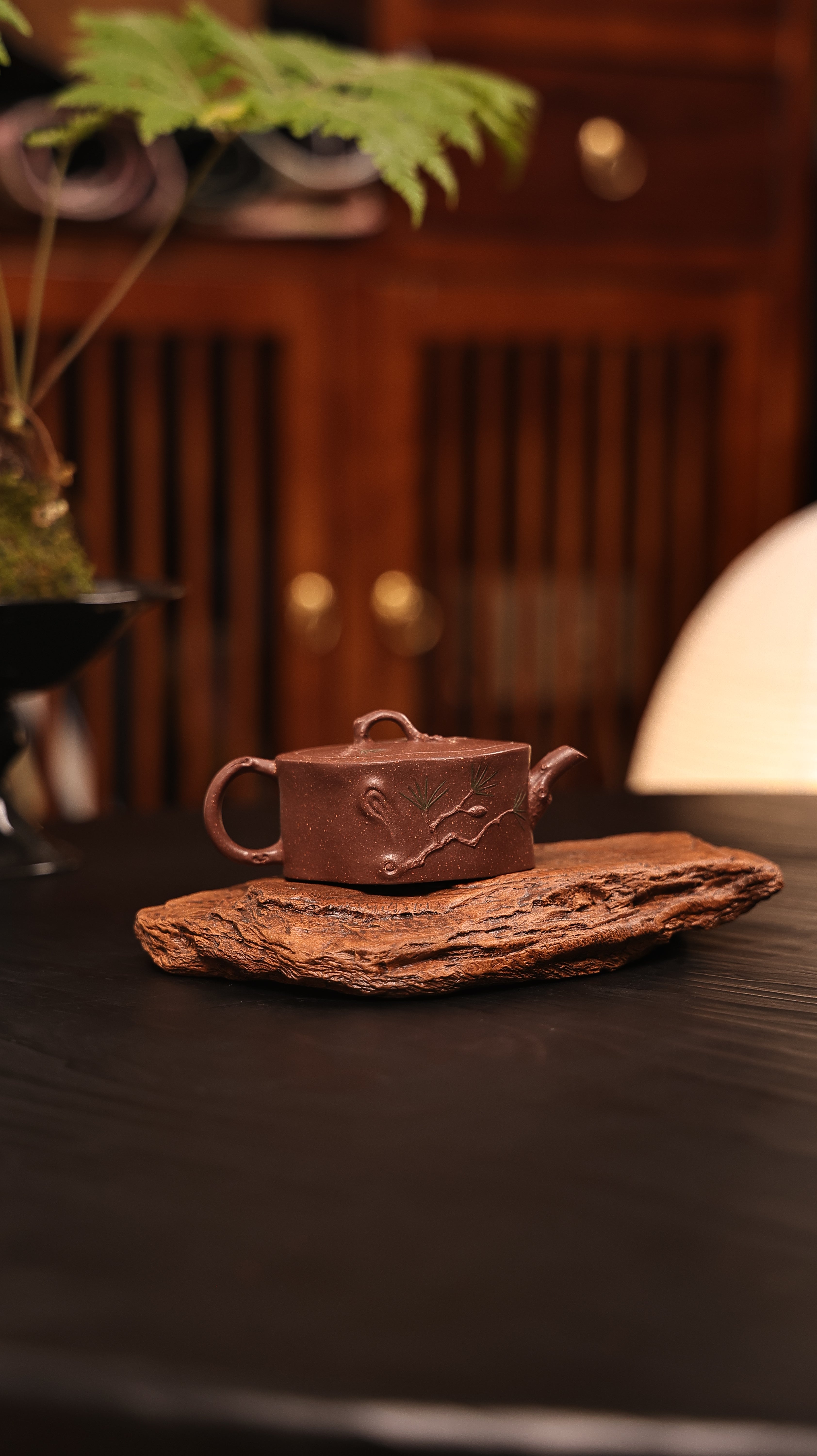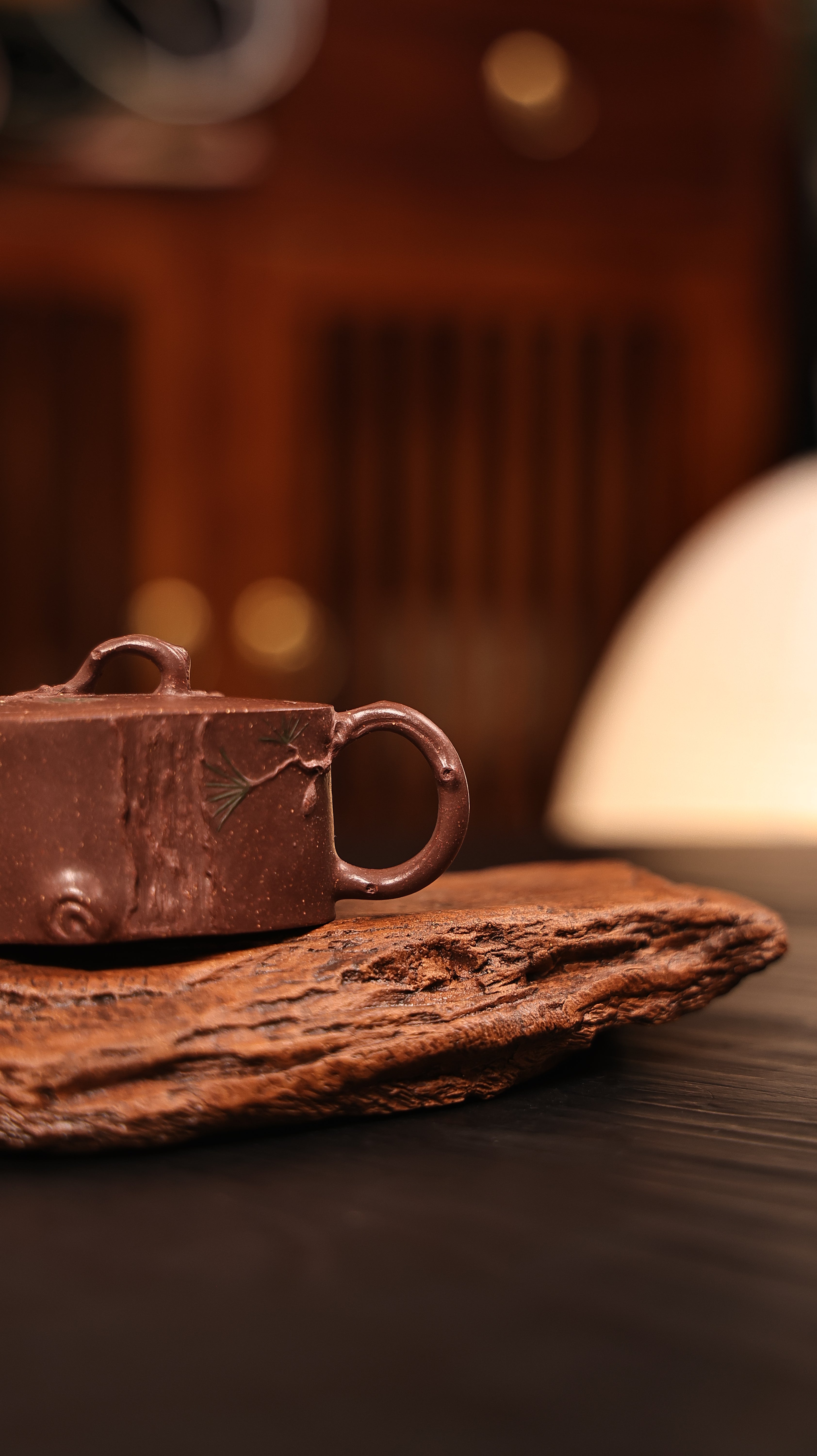
Millennia of lovers have sought the exclusive attraction of Yixing Zisha vessels. Originating in the cozy town of Yixing, the land, these jars are shaped from a unique and sourced purple clay noted for its exceptional thermal aspects and potency to augment the aroma of brews. Beyond their serviceable asset, Zisha teapots reflect a deep cultural roots, resulting them exceptionally valued and a bona fide marvel for any devoted teapot lover.
Surveying Yixing Containers
Authentic teapots embody a memorable mixture of history and craftsman craftsmanship. Founded in Yixing, Jiangsu Zone of China, their narrative traces to the Ming Dynasty, although manifestations suggest earlier expressions. The singular wine-colored clay, called Zisha, found uniquely in the Yixing region, is the vital component, contributing to the pots' remarkable heat stability and the manner they control the profile of tea. Successive eras of potters have mastered techniques—often inherited through families—including designing the clay, applying ornate embellishments, and firing the pots at precise temperatures.- Initially, Yixing teapots were often trimmed with simple designs.
- Afterwards, more complex carvings and expressive motifs became widespread.
- The heat treatment itself is a key element, requiring lengthy phases of skill.
Gathering Zisha Teapots: Necessary Considerations
Launching a quest to obtain Zisha pitchers can be satisfying, but it’s required to understand what to identify. Authenticity is important; focus on the material’s natural pigment, a gentle reddish-brown is conventional. Examine the texture; genuine Zisha has a notable tactile sensation, often depicted as slightly rough. The configuration should be attractive and consistent with traditional styles, while stamps, if present, require precise examination for veracity. Don’t refrain to consult with skilled authorities or reputable authorities – their wisdom is essential.
Chinese Clay Pots: Investigating the Practice of renowned Zisha
Years have seen Yixing Purple Earth teapots possess a remarkable role in Chinese civilization. These masterfully created pots, sourced only from the territory of Yixing, are prominent for their unique hue, surface, and their ability to develop the bouquet of decoctions. Scores of collectors collect antique Yixing teapots, coveting them significantly not only for their aesthetic elegance, but also for the heritage they signify.
Yixing Zisha Teapots: Such Leading Classes and Their Traits
Zisha Ware teapots, rooted in the genuine zone of Yixing, the realm, are distinguished for their exceptional clay and remarkable brewing powers. Inside the several Zisha types, the varieties that are highly treasured include Baiwei. Binzhou, known for its vivid purple shade and velvety texture, delivers a soft flavor. Duan Ni clay, recognizable by its brownish color and slightly grainy feel, is perceived to enhance a robustness. Lastly, Zhuni variety boasts an uncommon red tone and can convey a gentle nuance. Each kind provides a individual experience, bringing them remarkably desirable among liquid enthusiasts.
Refining Personal Purple Clay Cup
To realize the beauty of your Yixing teapot, familiarizing oneself with the correct system is key. These clay pitchers, celebrated for their filtering ability, will progressively accept the core of the tea you steep within them. Begin by purifying the container thoroughly with hot water. Then, use only first-class full leaf tea, as lower quality options can damage the item’s delicate aroma. Always give the leaves to develop completely, and remember that with each brewing, your Yixing pitcher will become ever esteemed.
Preserving Your Beloved Zisha Item
Proper care for your Zisha container is essential to safeguarding its beauty and merit. Zisha clay, celebrated for Chinese Teapot its unique hue and grain, requires considerate handling. Never use intense chemicals, as these can harm the layer. After every use, rinse the container with warm water and allow it to evaporate completely.
- Resist soaking the vessel for extended lengths.
- Regularly use a soft cleanser cloth to wipe the exterior.
- Contemplate applying a thin layer of food-grade ointment inside the kettle after drying, which can curb staining.
Getting Started with Yixing Kettles
Yixing teapots, originating from the Yixing locale in Jiangsu Province, in the People's Republic, are celebrated for their distinctive attributes. Created from the unique purple substance known as Zisha, these pots are prized by drink enthusiasts worldwide. This handbook will neatly explain the basics – covering kinds of Zisha dirt, favored shapes, and key care advice. Understanding the heritage of Yixing earthenware can expand your appreciation for this celebrated example of Chinese artistry.
Mastery of Han Pitchers: Presenting Zisha from Yixing City
Zisha earth from the Yixing area represents the summit of Oriental kettle design, projecting a uncommon concoction of natural beauty and functional artistry. These remarkable pieces are recognized for their deep hues, often extending between intense purples and red hues to soft greys and light beiges. The distinct mineral composition of the area’s Zisha material imparts a signature texture and generates a satisfying aroma that elevates the complete brew experience, making them highly wished-for collectibles and integral components of any serious custom.